 português
  English
 français
 русский
 español
 العربية
 한국의
한국의 Türkçe
 ไทย
ไทย Tiếng Việt
Call Us Now
+8615914489090





+8615914489090
A tecnologia RFID permite a implementação de um sistema digital de gestão de bibliotecas.
Na gestão de bibliotecas, os métodos manuais tradicionais têm sido gradualmente substituídos por sistemas digitais, que utilizam reconhecimento de código de barras, redes de computadores e tecnologias de software para aumentar a eficiência. No entanto, desafios como a devolução de livros em regime de autosserviço, o inventário rápido, a pesquisa e a catalogação ainda persistem, impactando a gestão e a qualidade dos serviços oferecidos pelas bibliotecas. Consequentemente, o setor bibliotecário está buscando ativamente tecnologias mais avançadas para solucionar esses problemas.
A RFID (Identificação por Radiofrequência), ou tecnologia de identificação por radiofrequência, identifica alvos específicos e lê/grava dados relacionados por meio de sinais de rádio, permitindo o reconhecimento automático de objetos-alvo e a recuperação de dados relevantes sem a necessidade de contato mecânico ou óptico.
As etiquetas RFID oferecem vantagens como impermeabilidade, resistência a campos magnéticos, tolerância a altas temperaturas, longa vida útil, alcance de leitura estendido, dados criptografados, grande capacidade de armazenamento de dados e informações armazenadas modificáveis. Os leitores RFID são categorizados em móveis e fixos, sendo amplamente utilizados em áreas como gestão de bibliotecas, sistemas de controle de acesso e rastreabilidade de segurança alimentar.
1.2 Vantagens da Tecnologia RFID
reconhecimento de alta velocidade
Forte capacidade anti-interferência
Reconhecimento à distância
1.3 Aplicação da tecnologia RFID na gestão de bibliotecas
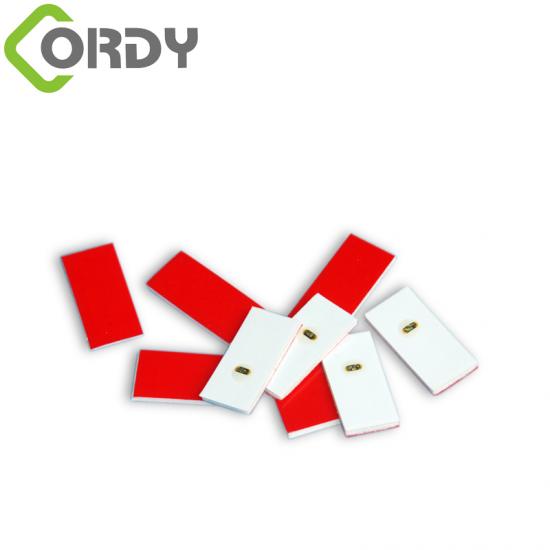
A tecnologia RFID utiliza sinais de radiofrequência para transmissão e recepção de dados, permitindo que etiquetas RFID inteligentes ou etiquetas RFID comuns transmitam e armazenem informações. As etiquetas RFID inteligentes consistem em etiquetas adesivas e tags de radiofrequência ultrafinas, combinando as vantagens da tecnologia de radiofrequência com a impressão de etiquetas. Essas etiquetas inteligentes podem ser programadas diversas vezes e seguem as regras de codificação estabelecidas durante sua produção inicial.
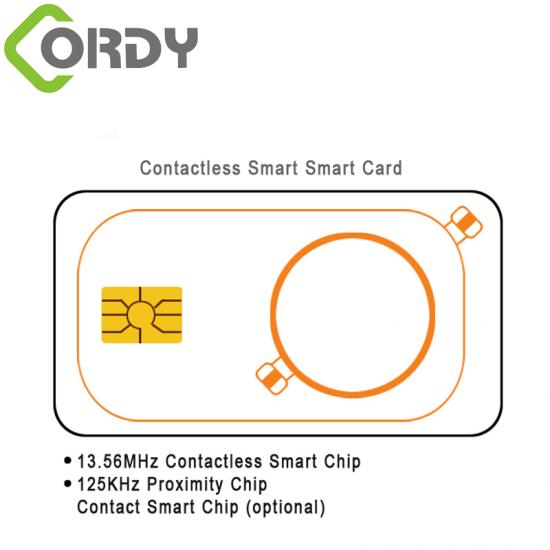
As etiquetas eletrônicas RFID podem ser categorizadas em etiquetas de baixa frequência, alta frequência, ultra-alta frequência e micro-ondas, com base em suas frequências de operação. Dependendo do formato da embalagem, as etiquetas eletrônicas podem ser classificadas em etiquetas de cartão de crédito, etiquetas lineares, etiquetas de papel, etiquetas de tubo de vidro, etiquetas circulares e etiquetas irregulares para fins especiais.
O leitor RFID comunica-se sem fios com a etiqueta eletrónica RFID através de uma antena, permitindo a leitura ou gravação do código de identificação e dos dados da memória da etiqueta. Um leitor RFID típico consiste num módulo de alta frequência (transmissor e recetor), numa unidade de controlo e antenas de leitura/gravação. Comparativamente aos códigos de barras, o RFID permite a leitura em lote, a gravação de dados e a resposta em tempo real. As bibliotecas podem utilizar a tecnologia RFID para implementar diversas funções de gestão sem contacto, incluindo a transferência de dados para leitores e acervos. Nos últimos anos, as bibliotecas têm substituído a identificação por códigos de barras pela tecnologia RFID, melhorando a eficiência operacional e a precisão, mas a natureza fundamental dos modelos de serviço permanece inalterada.